Verified Commercial Solutions for Hospitality, Wholesalers, and Luxury Residential Distributors
The global luxury sanitaryware landscape is experiencing a paradigm shift driven by urban spatial optimization, wellness-oriented interior design, and hydrotherapeutic ergonomic science. At the center of this movement is the Japanese style deep soaking tub (historically rooted in the traditional Ofuro). Unlike conventional Western bathtub designs—which prioritize a horizontal, reclined posture in shallow water (typically 350mm to 400mm depth)—Japanese soaking tubs feature a compact footprint paired with an immersive vertical water depth (often exceeding 600mm to 750mm to the overflow line).
For international procurement executives, hotel project planners, and wholesale importers, transition from traditional Hinoki wood or heavy cast iron to high-grade Lucite polymethyl methacrylate (PMMA) cast acrylic resin represents a major technological breakthrough. PMMA acrylic, reinforced with multi-layered resin glass fiber matrices, provides exceptional thermal conservation, zero surface porosity for superior hygiene, and structural durability while cutting shipping freight weights by up to 65%.
When evaluating manufacturing suppliers for global export, understanding the chemical structural integrity of deep soaking tubs is critical. Lower-tier manufacturers frequently utilize ABS-backed acrylic sheets (which degrade under continuous thermal cycling) or low-grade fiberglass fillers that result in delamination and micro-cracking over extended commercial use. Premium OEM manufacturers utilize pure 3.5mm to 5.0mm sanitary-grade cast PMMA acrylic.
| Performance Parameter | Pure PMMA Cast Acrylic (NextGen Standard) | Gelcoat Fiberglass (FRP) | Enamel Coated Cast Iron | Natural Hinoki Wood |
|---|---|---|---|---|
| Thermal Loss Rate (°C / 20 Min) | < 0.4°C (Superior Retention) | 1.2°C (Moderate) | 2.1°C (High Conduction Loss) | 0.6°C (Good Retention) |
| Structural Weight (1200mm Tub) | 35 – 48 kg (Nestable / Lightweight) | 40 – 55 kg | 180 – 240 kg (Excessive Load) | 60 – 80 kg (Expands with Water) |
| Surface Porosity & Hygiene | Zero Non-Porous Surface | Micro-Porous (Stain Prone) | Glass Enamel (Chipping Risk) | High Organic Porosity (Mold Risk) |
| Commercial Lifespan | 15 - 25+ Years | 5 - 8 Years | 20+ Years | 3 - 7 Years (Requires Maint.) |
| Customization & Mold Costs | Low OEM Tooling Cost | Medium Tooling Cost | Extremely High Mold Capital | Manual Artisan Crafting |
Based on technical auditing, ISO 9001 quality management standards, cUPC/CE certifications, export volume, and OEM flexibility, our research team has evaluated the top 10 global manufacturers dominating the deep soaking acrylic bath market.
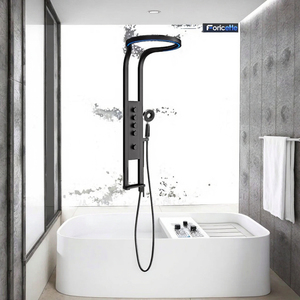
NextGen Bathware leads the global export index with state-of-the-art PMMA thermoforming technology, offering deep soaking acrylic tubs engineered for hospitality projects and global sanitary distributors. Their tubs combine Japanese ergonomic bench seating with integrated thermostatic shower systems and custom drainage channels.
Pioneers of the traditional domestic Ofuro, TOTO manufactures high-end acrylic and proprietary FRP composite deep soaking tubs featuring zero-dimension posture ergonomics and integrated hydro-acoustics. Highly expensive with premium positioning.
LIXIL's INAX division specializes in Japanese bath culture solutions. Their deep soaking acrylic models focus heavily on compact residential layouts (1100mm to 1400mm lengths) with efficient water volume management systems.
Kohler incorporates Japanese soaking tub principles into contemporary Western luxury suites. Utilizing heavy-gauge acrylic backed by ExoCoat resin layers, they provide deep step-in options with sensory hydrotherapy features.
Duravit collaborates with top European industrial designers to interpret Japanese deep soaking concepts. Their sanitary acrylic tubs emphasize clean geometric lines, integrated overflow filling valves, and minimalist step-in surrounds.
Specializing in thermo-masseur deep soaking acrylic units, BainUltra integrates warm-air jet technology into deep vertical tub configurations, focusing strictly on North American wellness residential markets.
Famous for their "True Ofuro" deep soaking tub lines, Aquatica combines solid surface resins and high-gloss cast acrylic. Features ergonomic integrated seats engineered specifically for tall bathers in compact footprints.
A dominant distributor in North America sourcing Japanese soaking acrylic tubs through contract manufacturers in Asia. Known for quick-ship stock options and traditional clawfoot/skirted hybrids.
Operating large-scale thermoforming facilities in Guangdong, Sunrans manufactures mass-market acrylic soaking tubs and whirlpool spa variants. Offers competitive pricing for low-budget procurement contracts.
Supplies classic acrylic soaking tubs with pre-drilled faucet zones and exposed drain overflow systems. Primarily caters to residential remodeling and boutique hotel projects.
As global commercial real estate developers optimize square footage in urban high-rises and boutique hospitality projects, the demand for Japanese deep soaking tubs is projected to expand at a compound annual growth rate (CAGR) of 7.8% over the next five years. Strategic procurement managers must align their supply chains with four critical emerging trends:
Rising ocean container shipping tariffs have driven manufacturers to redesign exterior tub draft angles. Nestable acrylic soaking tubs allow 2x to 3x higher volumetric packing efficiency per 40ft HQ container, reducing landed costs per unit by over 30%.
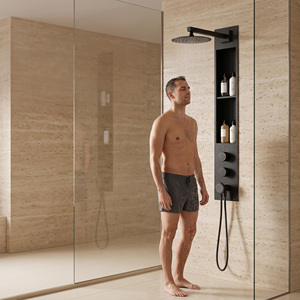
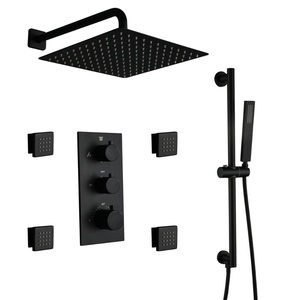
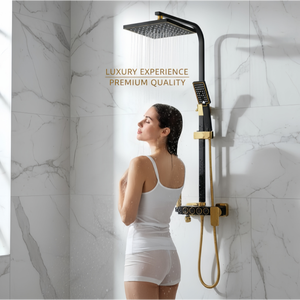
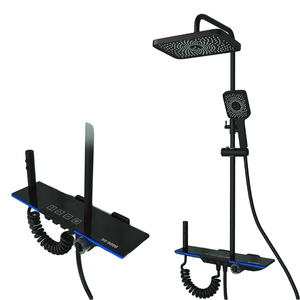
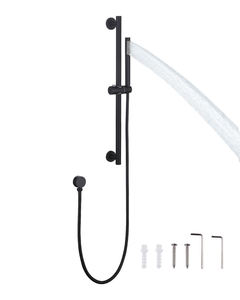
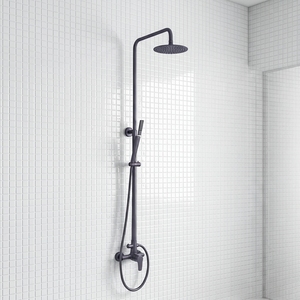
Buyers no longer purchase soaking tubs in isolation. Modern B2B tenders mandate integrated concealable thermostatic filler systems (such as 304 SS matte black rainfall shower sets) capable of maintaining 42°C water temperature continuously without rapid thermal loss.
Replacing aggressive traditional jet pumps, silent oxygenated micro-bubble generators (sub-50-micron bubbles) are becoming standard in high-end acrylic soaking tubs, offering deep pore cleansing without turbulent water movement.
The modern manufacturing process of premium Japanese soaking acrylic tubs relies on advanced automated vacuum thermoforming. Raw PMMA acrylic sheets are uniformly pre-heated to precise viscoelastic temperatures before being vacuum-drawn into high-precision aluminum molds.
Following vacuum forming, the outer shell is spray-coated with 3 to 5 layers of high-density fiberglass resin matrix combined with encapsulated wooden structural ribs at the base. This guarantees a structural static load rating exceeding 450 kg (990 lbs) without shell deflection.
Unlike standard rectangular tubs, Japanese soaking tubs feature an anatomically engineered molded bench seat angled at 105 degrees. This enables the bather to remain comfortably seated upright with full chest-level hot water immersion while preventing buoyancy displacement.
Due to the high water volume of deep soaking tubs (typically 250L to 380L), standard 32mm drain channels cause excessive drain wait times. Modern export models are built with 50mm large-bore push-pop waste valves capable of draining over 55 L/min.
Leading suppliers pair deep acrylic tubs with wall-mounted or freestanding thermostatic brass shower valves (featuring 38°C safety anti-scald locks and SUS304 matte black body sprays) to deliver a total Japanese bath-house (Sento) solution.
As a premier international B2B manufacturer and export specialist based in Halvad, Gujarat, NextGen Bathware bridges the gap between high-precision sanitary engineering and global trade fulfillment. We empower importers, hotel contract buyers, and bathware brands with resilient supply chain solutions.
Every acrylic tub undergoes 24-hour hydro-static pressure testing, 450kg static weight tolerance checks, and 100% surface UV stability inspection prior to export packing.
Our dedicated B2B international trade desk provides technical CAD drawings, 3D BIM rendering files, and formal commercial quotes within 24 business hours.
We handle full container load (FCL) and consolidated less-than-container load (LCL) exports directly to ports in North America, Europe, Middle East, and Southeast Asia.
Essential technical insights for commercial buyers, distributors, and project managers purchasing Japanese acrylic soaking tubs.
Our standard MOQ for standard catalog models starts at 10 units. For custom OEM dimensions, color finishes (e.g., matte white, cement gray, jet black), or customized drain hole cutouts, the typical MOQ is 30 units or 1x20ft container combination.
While natural Hinoki wood offers traditional aesthetics, it requires continuous water saturation to prevent wood shrinking and mold formation, making it unfeasible for commercial hotel housekeeping. Sanitary PMMA acrylic is 100% non-porous, easily sanitized with standard hotel disinfectants, and guarantees a 15+ year operational lifespan without maintenance leaks.
NextGen Bathware products conform to EN 14516 (European standard for baths for domestic purposes), cUPC (Uniform Plumbing Code for North America), and ISO 9001:2015 quality management benchmarks, ensuring seamless clearance with municipal building inspectors worldwide.
All export tubs are encased in a protective PE scratch-proof film, fitted with reinforced corner foam guards, wrapped in heavy-duty 7-ply corrugated export cartons, and secured on fumigated ISPM-15 wooden pallets for safe forklift handling.
Yes! We specialize in complete bathroom container consolidation. We nest brass thermostatic shower valves, stainless steel shower panels, and acrylic tubs into unified shipments to maximize container volume utilization and decrease overall landed freight tariffs.
Standard production lead time is 20 to 30 calendar days upon deposit confirmation. For custom mold development, mold creation requires an additional 15 to 20 days prior to mass thermoforming run.
Request technical specifications, wholesale price matrices, CAD drawings, or custom OEM quotation for your upcoming project or distribution catalog. Our B2B export specialists are ready to assist.