Choosing an Acrylic Spa Jacuzzi Bathtub is no longer only a luxury decision. It is a practical response to changing bathroom expectations. Grand View Research identifies wellness, renovation, and premium bathing as important drivers in the global bathtub market. The National Kitchen & Bath Association also reports continued consumer interest in spa-like bathroom environments. These findings matter for developers, hotel owners, and homeowners planning long-term value.
Acrylic offers a useful balance. It is lighter than cast iron, easier to shape, and available in many sizes. Its smooth, nonporous surface can simplify daily cleaning. A well-insulated shell may also help retain warm water longer. Picture a quiet evening: warm water, restrained lighting, and jets operating without harsh vibration. Small details influence the experience.
Jamie Gold, a wellness design expert and author of Wellness by Design, writes, “The bathroom has evolved from a purely functional space into a personal sanctuary.” That idea explains the growing appeal of an Acrylic Spa Jacuzzi Bathtub. Still, acrylic is not automatically the best choice. Poor framing can cause movement, surface damage, or premature leaks. Jet systems also require accessible maintenance panels. Do not hide the pump permanently.
Project teams should verify the acrylic thickness, reinforcement, warranty terms, pump performance, and replacement-part availability. The International Code Council and local plumbing authorities should guide installation requirements. Market reports show opportunity, but they do not replace site inspection. A beautiful tub can still fail if the floor lacks support. That is the uncomfortable truth. Careful planning turns a fashionable feature into dependable comfort.
What Is an Acrylic Spa Jacuzzi Bathtub?
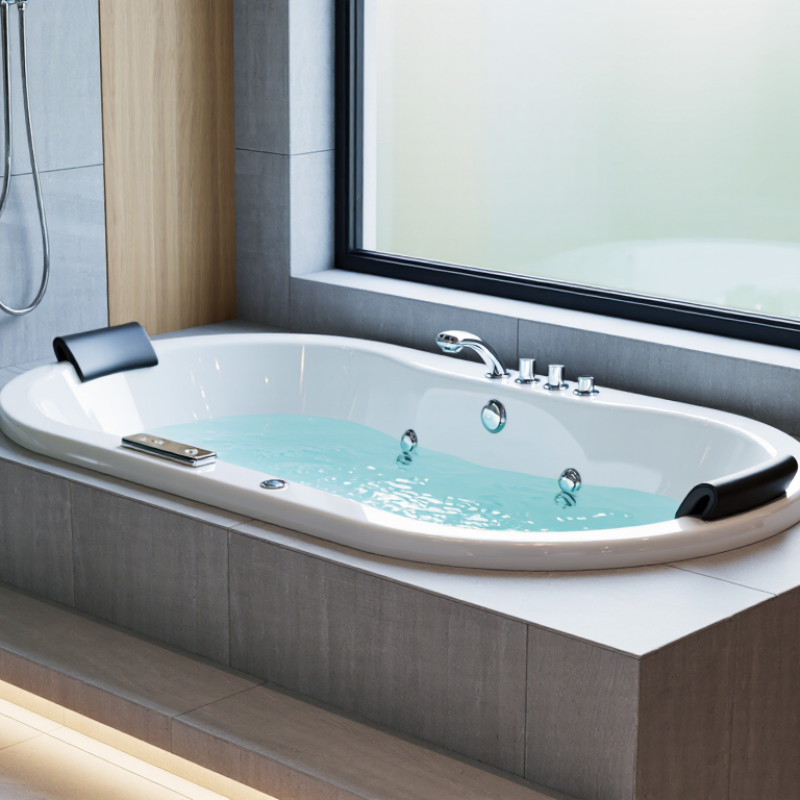
An acrylic spa bathtub is a molded bathing fixture made from heated acrylic sheets. Manufacturers shape the sheet over a mold, then reinforce it with fiberglass or resin. This creates a smooth, nonporous surface with a warm feel under bare skin. The tub may include water jets, air jets, a circulation pump, and an optional heater. Unlike a simple soaking tub, it combines bathing with controlled hydrotherapy. The experience feels closer to a quiet home retreat than a basic bathroom fixture.
Acrylic is lighter than cast iron, which can simplify delivery and floor planning. Its glossy surface also makes daily cleaning easier. The U.S. Environmental Protection Agency’s WaterSense program reports that showers represent nearly 17% of residential indoor water use. A deep spa tub can use substantial water, so capacity deserves careful review. I would not assume every large tub is practical. Room access, floor loading, pump noise, and electrical planning can change the result. Moisture control matters too, especially in compact bathrooms.
Tips: Confirm the filled weight with a structural professional. Check the pump service panel before installation. Choose textured flooring near the tub. Ask for tested water-flow and insulation details. Small oversights become expensive later. Acrylic can scratch, despite its durability, so abrasive cleaners should be avoided.
Key Benefits for Residential and Commercial Projects
Why Choose an Acrylic Spa Jacuzzi Bathtub for Your Project?
Acrylic spa jacuzzi bathtubs suit both private homes and commercial wellness spaces. Their smooth, nonporous surfaces resist common bathroom stains and simplify daily cleaning. In a residential bathroom, the warm shell feels comfortable against the skin. It also retains heat reasonably well, helping users enjoy longer bathing sessions. For hotels, apartments, and fitness facilities, consistent appearance matters. Acrylic keeps a clean, bright finish when staff follow a regular maintenance schedule. It is not indestructible. Scratches can appear if abrasive powders or harsh tools are used.
Project planning requires more than selecting an attractive model. Measure doorways, corridors, service lifts, and the final installation area before ordering. A large tub may fit the room but fail during delivery. Check floor loading, drainage access, electrical protection, and local plumbing requirements with qualified professionals. Commercial projects may also need durable access panels for pumps and controls. Thoughtful access reduces repair delays. Poor access becomes expensive.
Tips:
Choose textured flooring or suitable bath mats near entry points. Confirm the pump noise level in a quiet room before approval. Leave enough clearance for cleaning and servicing. Inspect the acrylic surface under bright light after delivery. Small defects are easier to address before installation. For frequent-use facilities, record water care procedures and inspect seals regularly. A practical specification may look less impressive, but it usually performs better over time.
How to Choose the Right Acrylic Spa Jacuzzi Bathtub
Choosing the right acrylic spa jacuzzi bathtub starts with your room, not the product photograph. Measure the doorway, floor area, plumbing points, and service clearance carefully. A beautiful tub becomes frustrating when the pump cannot be reached later.
Check the acrylic sheet thickness and the structure beneath it. A rigid base should support the bath evenly, especially around the drain and seat. Ask for clear specifications, installation drawings, warranty terms, and safety testing records. These details show whether the supplier understands long-term use. Glossy acrylic is attractive, but a textured or slip-resistant floor may be more practical for wet feet.
Jet design also deserves close attention. More jets do not always create a better massage. Look for adjustable water direction, comfortable positioning, and a pump sized for the tub volume. Listen to the expected operating noise if possible. A quiet bathroom can make pump vibration surprisingly noticeable. Consider cleaning access, filter replacement, and water drainage before choosing complex features. A common mistake is selecting maximum functions without checking maintenance time. Keep it simpler if daily use matters. Surface color, edge height, and step-in depth should suit every user, not only the showroom model. A small trial with a full-scale layout can reveal awkward arm positions or difficult entry. Rules and installation requirements vary by location, so qualified professionals should verify electrical protection, ventilation, and structural support before work begins.
Installation, Maintenance, and Long-Term Value
Installation, Maintenance, and Long-Term Value
An acrylic spa bathtub needs careful planning before delivery. Measure doorways, stairwells, and the final bathroom opening first. A beautiful tub is useless if it cannot reach the room. The floor must support the filled weight, bathers, and equipment. Ask a qualified plumber and electrician to check drainage, ventilation, bonding, and local safety requirements. Electrical protection, such as suitable residual-current protection, should never be improvised.
Installation quality affects daily performance. The base should sit level, while access panels must remain reachable for pump and pipe servicing. Seal wall joints with appropriate bathroom-grade sealant. Do not hide every connection behind permanent walls. That mistake can turn a small leak into expensive demolition. In my experience, installers often focus on appearance and underestimate service access.
Acrylic feels warm and cleans easily, but it can scratch. Use a soft cloth and a non-abrasive cleaner after bathing. Avoid harsh solvents, scouring pads, and standing water around fittings. Rinse the jets regularly, following the equipment instructions, and inspect seals for discoloration or looseness. Keep the water chemistry within the manufacturer’s stated range; excessive chemicals may damage surfaces and components. Long-term value depends on repairable parts, efficient insulation, realistic water use, and available service support. The tub may still lose value if maintenance becomes inconvenient. That is worth considering before purchase.
Why Choose an Acrylic Spa Jacuzzi Bathtub for Your Project?
Acrylic offers a practical balance of installation efficiency, manageable maintenance,
and long-term service value. The chart shows a transparent 10-year planning model for
a standard residential spa bathtub project.
Planning model in USD: purchase and installation $7,500, routine maintenance $1,200,
and electricity and water treatment $2,300 over ten years. Actual costs vary by size,
local labor rates, usage frequency, energy prices, and installation conditions.
Conclusion
An Acrylic Spa Jacuzzi Bathtub combines the relaxing experience of a spa with the practical advantages of a durable acrylic structure. It is designed with a smooth, non-porous surface, reinforced layers, comfortable contours, and integrated water or air jet systems to support a clean, comfortable, and enjoyable bathing experience. Its flexible design makes it suitable for both residential bathrooms and commercial hospitality or wellness projects.
When selecting an Acrylic Spa Jacuzzi Bathtub, project owners should consider size, shape, installation space, jet configuration, user capacity, plumbing requirements, energy efficiency, and overall design compatibility. Professional installation helps ensure proper leveling, drainage, electrical safety, and reliable operation. With regular cleaning, inspection of jets and seals, and appropriate maintenance of pumps and controls, the bathtub can retain its appearance and performance for many years. Its combination of comfort, visual appeal, customization, and long-term usability makes it a valuable choice for projects seeking a high-quality spa bathing solution.