Expert guides, design inspirations, and technology innovations for luxury bathroom solutions.
Understanding auto-flush technology, heating controls, and ceramic durability.
Precision temperature management & wall-mounted brass fixture trends.
Multifunction digital integrated sinks redefining luxury home utility.
Choosing a Wooden Sauna Steam Room in 2026 requires more than comparing attractive timber panels. The right room should feel warm, stable, safe, and easy to maintain after months of regular use. A glossy showroom image can hide weak ventilation, poor seals, or controls that are difficult to reach.
In practice, experienced sauna installers examine the wood species, panel thickness, insulation, heater capacity, drainage, and moisture management together. Cedar offers a familiar aroma and natural resistance to moisture, while hemlock provides a cleaner appearance and often a smoother finish. Neither choice is automatically perfect. Local climate, room size, cleaning habits, and personal heat preferences matter.
Safety deserves careful attention. Electrical connections should be assessed by a qualified professional, especially around steam, high temperatures, and wet surfaces. Reliable manufacturers should provide clear installation instructions, tested components, warranty terms, and maintenance guidance. Look for a door that opens easily, comfortable benches, protected lighting, and controls that remain practical when the room is hot.
Small details matter.
A floor that drains poorly may create persistent odors. Timber that is sealed incorrectly may crack, darken, or trap moisture. I would also avoid choosing based only on the lowest price; replacement parts and energy use can change the real cost. This guide explores the decisions that shape comfort, durability, and daily usability. It also questions popular assumptions, because a beautiful Wooden Sauna Steam Room can still perform poorly without proper planning.
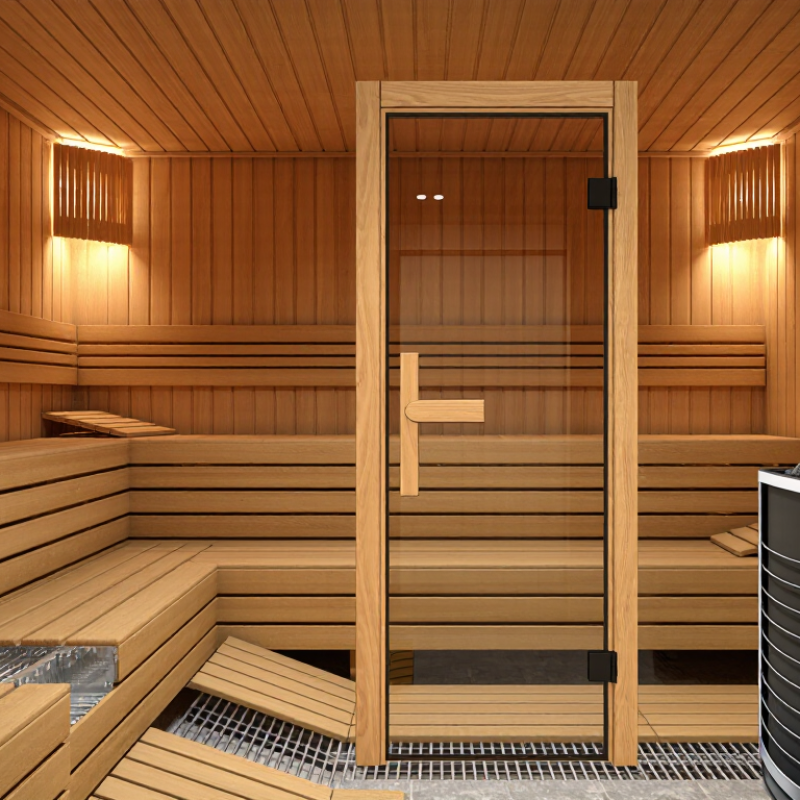
A wooden sauna steam room should begin with your habits, not its appearance. Decide whether you want dry sauna heat, moist steam, or a carefully designed combination. These experiences require different heating, ventilation, insulation, and surface details. Record how many people will use it, how often, and for how long. A two-person room feels inefficient for family use. Daily use demands stronger drainage and easier cleaning.
Small details matter. Include seating height, temperature controls, lighting, and safe access for older users. Write these needs down before comparing wood species or heater capacity.
Measure the room twice, including ceiling height, wall thickness, and door swing. Leave service access around the heater, controls, and ventilation openings.
A compact room may fit physically but still feel cramped after benches and insulation are installed. Check whether the floor can support waterproofing and a slight drainage slope. Keep electrical and plumbing work within the requirements of qualified local professionals. Do not treat ventilation as an optional upgrade. Warm, wet air needs a planned route out. Otherwise, timber can darken, swell, or develop persistent odors.
A useful planning sketch shows every wall, bench, pipe, light, and maintenance gap.
Mark the occupied footprint with tape on the floor. That simple test reveals awkward knees, blocked doors, and insufficient standing space. It is easy to underestimate movement.
Challenge the original size if installation access is narrow. Panels may need to enter through a hallway or stairwell. A design can look perfect on paper and fail during delivery. Recheck measurements after insulation and waterproofing are specified.
Compare Wood Types for Heat, Moisture, and Long-Term Durability
Wood choice affects comfort, smell, maintenance, and service life. Cedar warms quickly and resists moisture well. Its natural aroma feels pleasant to many users. However, some people find the scent too strong. Cedar can also darken unevenly near heaters and frequently touched areas.
Aspen stays relatively cool to the touch, making it comfortable for benches and backrests. It has a pale, clean appearance and contains little resin. Hemlock offers good dimensional stability and a mild scent. It performs well when the room experiences repeated heating and cooling. Spruce costs less in many markets, but knots and resin pockets require careful grading. I would avoid poorly dried boards, even when the price looks attractive.
Thermally modified wood absorbs less moisture and usually moves less than untreated wood. It can be a strong option for humid rooms, but excessive heat may make some boards more brittle. Wood alone cannot solve moisture problems. A continuous vapor barrier, proper ventilation, sloped surfaces, and sealed penetrations matter just as much.
Check the boards by touch and sight. Look for straight grain, tight joints, and no fresh resin around the heater. Small gaps may become larger after seasonal movement.
I once underestimated ventilation during planning, and the room felt damp despite using durable wood. That mistake changed my selection process. Choose the species according to heat exposure, humidity, budget, and maintenance habits—not appearance alone.
Choosing a wooden sauna steam room in 2026 starts with the heater, not the timber.
A practical heater should match room volume, glass area, and local climate. Undersized heaters create long warm-up times and uneven benches. Oversized units may cycle harshly.
The Finnish Sauna Society commonly describes traditional sauna temperatures around 70–100°C, but comfort depends on humidity, airflow, and bench height.
Check the manufacturer’s tested volume range, then verify temperature with a separate thermometer.
Ventilation deserves equal attention.
ASHRAE Standard 62.1 provides widely used outdoor-air guidance, often starting near 7.5 litres per second per person in occupied spaces.
A sauna needs a purpose-designed arrangement, not a sealed box. Supply air should reach the heater area, while exhaust air should leave near the opposite side or lower zone.
Insulation must cover walls, ceiling, and door edges. The U.S. Department of Energy explains that higher insulation resistance reduces heat transfer, but poor joints can still waste energy.
I would inspect every corner with a flashlight. Small gaps matter.
Measure temperatures at the upper bench, lower bench, and doorway.
My first installation would not be perfect; steam movement can surprise you.
Recheck ventilation after several sessions, especially when the room feels stuffy or the ceiling remains wet.
Choosing a wooden sauna steam room in 2026 requires more than attractive cedar walls. Inspect the frame, joints, insulation, and ventilation paths before judging the finish. Tight tongue-and-groove panels should meet evenly, without gaps or soft edges. Doors must close firmly, yet open easily from inside. A small sample inspection can reveal more than polished photos. I learned this after seeing warped trim hidden behind a bench.
Maintenance begins with moisture control. Ask how the wood is sealed, how water drains, and which surfaces need regular treatment. A sloped floor, removable slats, and accessible heater components make cleaning less awkward. Wipe condensation after use, inspect fasteners, and watch for darkening wood. Do not assume “low maintenance” means maintenance-free. I still prefer a simple cleaning schedule, although mine has been missed during busy weeks.
Energy efficiency depends on the whole room, not the heater alone. Look for continuous insulation, sealed cable openings, a well-fitted door, and correctly sized heating equipment. Oversizing may waste electricity and create uneven temperatures. A timer and temperature sensor can reduce unnecessary heating, but only when installed safely. Ask qualified professionals for performance data and installation guidance. Local climate matters too. A design that works in a dry region may struggle in a damp one. Check real operating costs when available, and question claims that seem perfect.
How to Choose a Wooden Sauna Steam Room in 2026?
Match the Sauna Design With Your Budget and Installation Plan
Your budget should include more than the wooden cabin. Allow space for wiring, ventilation, insulation, drainage, and skilled labor. A compact indoor sauna usually needs fewer structural changes than a backyard model. However, access can be difficult through narrow doors or stairways. Measure everything before ordering.
A traditional sauna uses dry heat, while a steam room needs continuous moisture control. Ordinary timber may warp inside a wet environment. Choose moisture-resistant wood, a sealed vapor barrier, sloped flooring, and a reliable drain. The International Energy Agency reports that buildings consume about 30% of global energy. Sauna efficiency still depends on room size, insulation, heater power, and usage habits. Oversizing wastes money. Undersizing creates weak heat and longer sessions.
Tips: Request a full installation quote. Check electrical capacity first. Ask who handles ventilation and waterproofing. Compare running costs for one weekly schedule, not perfect showroom conditions. The Global Wellness Institute valued the global wellness economy at about 6.3 trillion dollars in 2023, showing strong demand for home wellness spaces. Yet market growth does not guarantee value. A cheaper design may need repairs sooner. I would leave a small contingency fund, because real walls are rarely perfectly level.
Match the sauna design with your budget and installation plan.
Typical residential planning estimates in USD: compact indoor units usually require the lowest budget and shortest installation time, while outdoor cabins and custom-built rooms require more structural work, ventilation planning, electrical upgrades, and weather protection. Actual costs vary by region, room size, materials, labor, and site conditions.
Decide between dry heat, moist steam, or a controlled combination. Record users, session length, and daily frequency. Include bench height, lighting, temperature controls, and older-user access. Appearance can wait.
Measure ceiling height, wall thickness, door swing, and available floor area twice. Mark benches and equipment with tape on the floor. This reveals blocked doors and cramped knees. Do not guess.
Leave service access around the heater, controls, ventilation openings, and drainage points. Insulation and waterproofing will reduce the usable space. A room can fit physically but still feel uncomfortable.
Match heater capacity to room volume, glass area, insulation, and local climate. An undersized heater warms slowly and creates uneven bench temperatures. An oversized heater may cycle harshly. Check temperatures with a separate thermometer.
Ventilation removes warm, wet air and supplies fresh air near the heater. Exhaust should leave through a planned outlet, often near the opposite or lower zone. Poor airflow can darken timber and create persistent odors. A sealed box is not enough.
Insulate the walls, ceiling, and door edges continuously. Inspect every corner with a flashlight. Tiny gaps waste heat. Use suitable waterproofing and provide a slight floor slope toward drainage.
Keep combustible surfaces clear of the heater and protect wiring from heat and moisture. Use safety-rated controls and an outward-opening door without a lock. A floor drain helps cleaning but does not replace drying.
Recheck measurements after insulation and waterproofing are specified. Test upper-bench, lower-bench, and doorway temperatures. Watch for wet ceilings, stuffy air, awkward movement, or slow heating. My first layout might still need changes. Steam movement can surprise you.
Choosing a Wooden Sauna Steam Room in 2026 begins with understanding your wellness goals, available space, and preferred installation style. Decide whether you need a compact home unit, a larger relaxation area, or a custom-built room, then consider how many people will use it. Compare wood species based on heat resistance, moisture tolerance, strength, appearance, and long-term durability, since the right material can improve comfort and reduce maintenance.
A reliable sauna should also include an appropriately sized heater, effective ventilation, quality insulation, safe electrical components, and protective design features. Examine the construction details, including tight joints, stable panels, moisture-resistant finishes, and easy-to-clean surfaces. Energy efficiency is equally important, so look for insulation and controls that help maintain temperature without unnecessary power use. Finally, match the design to your budget and installation plan, allowing room for delivery, assembly, ventilation work, maintenance, and future repairs.