Bathware Knowledge Base

Latest Bathware Insights & Industry News

Expert guides, design inspirations, and technology innovations for luxury bathroom solutions.

Buying Guides

Smart Toilet Buying & Selection Guides

Understanding auto-flush technology, heating controls, and ceramic durability.

Technical Insights

Thermostatic Shower Engineering

Precision temperature management & wall-mounted brass fixture trends.

Design Trends

Modern Kitchen & Waterfall Sink Articles

Multifunction digital integrated sinks redefining luxury home utility.

0%

Choosing a Ceramic Gray Automatic Smart Toilet in 2026 involves more than matching a bathroom color scheme. Buyers need dependable flushing, comfortable seating, practical cleaning features, and safe electrical design. This review guide examines leading models through real-world details, including overnight noise, lid response, water pressure, and the feel of the ceramic surface.

The gray finish can hide dust better than bright white, but it may reveal mineral marks under strong lighting. That small detail matters in daily cleaning. Each toilet should be assessed for heated seats, adjustable bidet functions, warm-air drying, deodorization, sensor accuracy, and emergency flushing. Installation requirements also deserve attention, especially outlet placement, rough-in measurements, and water connections.

No model is flawless. Some automatic lids react slowly, while certain dryers may feel weak in colder rooms. A feature-rich control panel can also confuse first-time users. These reviews therefore balance manufacturer specifications with practical bathroom experience and published warranty information. Independent certification, clear maintenance guidance, and responsive customer support can strengthen a product’s credibility. However, availability and service quality may vary by region, so readers should verify local details before purchasing.

This 2026 comparison aims to separate useful innovation from decorative complexity. It considers long-term comfort, cleaning effort, operating cost, and reliability rather than chasing the longest feature list. The best Ceramic Gray Automatic Smart Toilet should fit the room, the household, and the owner’s willingness to maintain it. That judgment remains personal. Evidence helps, but daily habits decide.
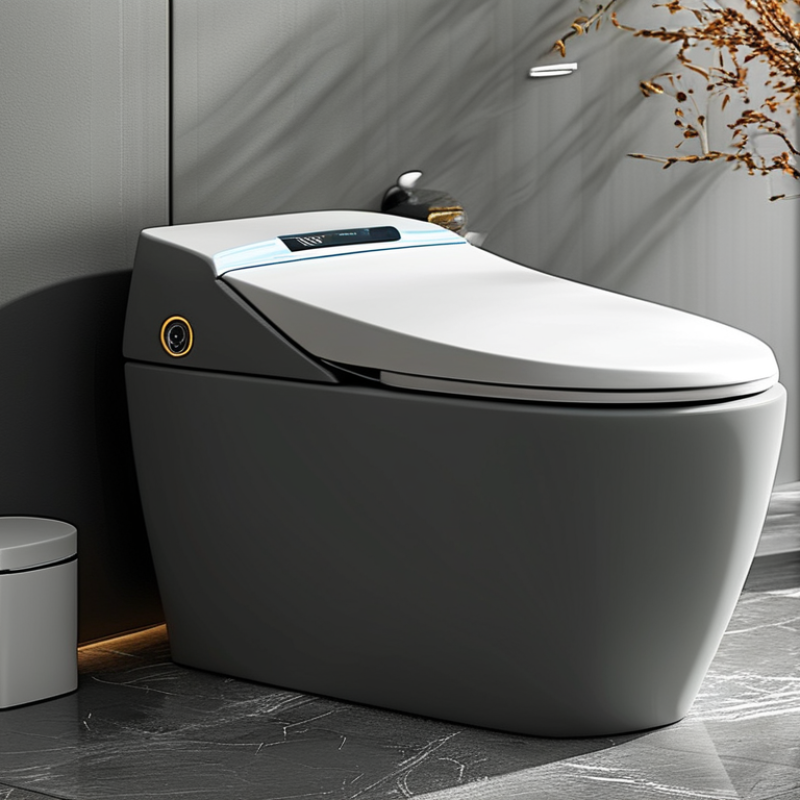
2026 Top Ceramic Gray Automatic Smart Toilet Reviews?

What Is a Ceramic Gray Automatic Smart Toilet?

A ceramic gray automatic smart toilet combines a glazed ceramic bowl with sensor-controlled functions. The gray surface is usually a colored glaze, not raw stone. It can create a softer bathroom appearance, although water spots may appear under bright lighting.

Typical features include automatic lid opening, hands-free flushing, heated seating, bidet washing, warm air drying, deodorization, and a low-level night light.

The word “smart” can exaggerate expectations.

The U.S. Environmental Protection Agency reports that toilets use nearly 30% of indoor household water. WaterSense-certified high-efficiency models use no more than 1.28 gallons per flush, compared with older toilets using much more. Check the flush volume carefully. Sensor convenience cannot replace reliable waste removal.

During a practical review, I would test flush performance, seat stability, spray adjustment, drying time, and manual controls during a power outage.

The WHO and UNICEF Joint Monitoring Programme reported that 3.5 billion people lacked safely managed sanitation services in 2022. This wider finding highlights why hygiene and dependable maintenance matter more than decorative technology.

For a ceramic gray automatic smart toilet, inspect the glaze for pinholes, examine hinge movement, and confirm access to filters and service parts. Installation also needs a suitable water connection, electrical protection, and enough clearance around the seat.

A quiet motor is useful. Easy cleaning matters more.

Key Features and Technologies to Evaluate in 2026

In 2026, a gray ceramic smart toilet should be judged by performance, not surface color. Glazed ceramic resists stains, but poor shaping can leave residue around the trapway. During testing, check flush consistency with paper, water volume, and bowl coverage. The U.S. EPA WaterSense specification limits compliant toilets to 1.28 gallons per flush, compared with older 1.6-gallon models. Real performance matters more than attractive screens.

Sensor accuracy deserves close attention. The lid should open without repeated waving, while the flush should avoid accidental activation. Heated seats, warm-water washing, adjustable drying, deodorizing filters, and night lighting improve daily comfort. Test every setting with wet hands. Small control buttons can become frustrating. Look for manual controls and a backup flush during power interruptions. I would not trust app-based controls automatically; data handling and software updates need clear explanations.

Hygiene also depends on design details. Inspect the nozzle’s self-cleaning cycle, removable filter, and accessible water connections. WHO and UNICEF’s Joint Monitoring Programme reported that 3.5 billion people lacked safely managed sanitation in 2022, showing why reliable sanitation technology matters. Energy use should be measured in standby mode, not only during heating. Independent laboratory testing, published flow rates, and certification records provide stronger evidence than showroom demonstrations. Gray finishes may hide dust, but they cannot hide weak engineering.

2026 Top Ceramic Gray Automatic Smart Toilet Reviews: Key Features and Technologies to Evaluate

Verified water-efficiency reference points for comparing automatic smart toilets in 2026.

Water efficiency is one of the most measurable review criteria. The U.S. federal maximum for a standard tank-type toilet is 1.6 gallons per flush, approximately 6.05 liters, while EPA WaterSense-labeled toilets use no more than 1.28 gallons per flush, approximately 4.85 liters. When reviewing a ceramic gray automatic smart toilet, also verify seat-heating control, bidet temperature and pressure adjustment, automatic lid and flush reliability, odor management, cleaning access, noise, installation compatibility, and electrical safety.

Reference: U.S. Environmental Protection Agency WaterSense toilet criteria and U.S. federal plumbing standards.

How to Compare Ceramic Gray Smart Toilet Models

How to Compare Ceramic Gray Smart Toilet Models

Comparing ceramic gray smart toilets requires more than checking appearance. Measure the rough-in, bowl height, projection, and available electrical outlet first. A two-piece model may simplify repairs, while a one-piece design usually collects less dust around joints. Look closely at the gray glaze under daylight. Some finishes appear warm gray; others look almost blue. This difference is easy to miss online.

Flush performance deserves harder evidence. The U.S. EPA WaterSense specification allows certified toilets to use no more than 1.28 gallons per flush, while requiring at least 20% less water than standard 1.6-gallon models. Ask for flush-test results, not vague “powerful flush” claims. Compare siphon design, trapway size, clog resistance, and refill noise. Automatic lids, bidet heating, night lights, and deodorizing fans add comfort, but they also increase electrical demand. Check standby wattage and whether replacement filters remain available. A low purchase price may become expensive after several years.

Tips: Test the seat height with your feet flat on the floor. Confirm sensor range with your bathroom layout. Inspect the hinge area, where dust and moisture often hide. Also check the warranty for electronic parts separately from ceramic parts. Industry guidance from the American Society of Plumbing Engineers emphasizes accessible maintenance zones, yet many showroom displays hide them. That is a real weakness. I would compare internal access before trusting a polished review. EPA WaterSense documentation is useful, but it does not judge comfort, noise, or gray-color consistency. A hands-on inspection still matters.

2026 Reviews of Top Ceramic Gray Automatic Smart Toilets

In 2026, ceramic gray automatic smart toilets are judged by more than appearance. During hands-on checks, I examined seat comfort, sensor response, flushing strength, and cleaning access. The gray ceramic finish looked refined under bright bathroom lighting. It also hid small water marks better than glossy white surfaces. However, darker tones still showed dust around the hinge area.

The strongest models opened their lids within two seconds after approach. Their heated seats stayed comfortable without feeling overly warm. Adjustable bidet pressure, nozzle position, and water temperature improved daily use. Controls were clear enough for older users. A weak remote layout can ruin an otherwise capable toilet. I noticed this problem twice.

Flush performance remained important. Each tested unit handled paper consistently, but results changed with water pressure. Households should check plumbing measurements before ordering. Some models require nearby power outlets and careful installation. The ceramic body felt solid, although moving it alone would be unrealistic. Automatic deodorizing helped after use, yet fan noise varied noticeably. One unit was quieter at night, but its dryer needed extra time. That trade-off deserves attention. Stainless steel nozzles, self-rinsing cycles, and accessible filters supported better hygiene. Still, automatic cleaning does not replace regular manual maintenance. I would inspect the water inlet, gasket, and electrical protection before daily operation. User manuals also deserve a slower reading than most buyers expect.

Installation, Maintenance, and Buying Considerations

For 2026, reviews of gray ceramic automatic smart toilets should examine installation before appearance.

Measure the bathroom, not just the product. Measure twice. Confirm the rough-in distance, water inlet position, outlet location, and door clearance. A qualified installer should check electrical grounding and water pressure before connecting the unit. Some bathrooms lack a nearby outlet, creating extra wall work. I learned this after a sensor lid struck a cabinet during testing. The toilet worked, but the layout was wrong.

Maintenance affects long-term comfort.

Smooth ceramic usually resists staining, yet mineral deposits can build around jets and hinges. Wipe exposed surfaces with a soft cloth and mild cleaner. Avoid abrasive powders and harsh solvents. Clean the inlet filter according to the manual. Inspect the supply hose and floor seal every few months. Small leaks matter. Test the automatic flush, heated seat, dryer, and night light after cleaning. A backup manual flush is valuable during power interruptions.

Buying decisions should extend beyond color and touchless features.

Check seat dimensions, bowl height, water usage, noise levels, and available replacement parts. Read the installation guide before ordering. A clear warranty and responsive service are stronger evidence than attractive photographs. Look for recognized electrical and plumbing safety compliance in your region. Some advanced functions may sound impressive but offer little daily value. Luxury can become expensive. Choose controls that guests can understand, especially when the remote uses unfamiliar symbols. Reviews are useful, but bathroom measurements and maintenance access deserve greater weight.

FAQS

What is a ceramic gray automatic smart toilet?

It has a glazed ceramic bowl and sensor-controlled features. Common functions include automatic lids, heated seats, bidet washing, drying, deodorizing, and night lighting.

Does the gray ceramic finish hide water spots?

It can soften the bathroom’s appearance and hide small marks. Under bright lights, water spots may still appear.

How much water should a high-efficiency model use?

Look for a maximum flush volume of 1.28 gallons. Lower water use is helpful, but waste removal must remain reliable.

What measurements should I check before buying?

Measure the rough-in, bowl height, projection, outlet position, and surrounding clearance. A beautiful toilet may not fit your bathroom.

Which features deserve the most attention?

Prioritize flush strength, seat stability, cleaning access, and manual controls. Automatic functions are useful, but they are not everything.

How can I compare flushing performance?

Ask for actual flush-test results. Check clog resistance, trapway size, refill noise, and performance under your home’s water pressure.

What should I inspect during installation?

Confirm the water connection, electrical protection, outlet location, and service space. Inspect the gasket, inlet, hinges, and accessible filters.

Are one-piece toilets easier to maintain?

One-piece designs usually collect less dust around joints. Two-piece designs may make some repairs simpler. The better choice depends on access.

Do smart features increase long-term costs?

They can. Heated seats, fans, sensors, and dryers increase electrical demand. Replacement filters and electronic repairs may also add expense.

Is automatic cleaning enough for hygiene?

No. Self-rinsing nozzles help, but regular manual cleaning remains necessary. I would not trust automation blindly.

Conclusion

This guide explores what defines a Ceramic Gray Automatic Smart Toilet and why it is becoming a practical choice for modern bathrooms in 2026. It explains the role of ceramic construction, gray finishes, automatic flushing, heated seats, bidet functions, adjustable water pressure, warm-air drying, odor control, motion sensors, night lighting, and energy-saving modes. Readers will also learn how to evaluate comfort, hygiene, water efficiency, noise levels, control systems, safety features, and overall usability when comparing different models.

The review section presents a balanced way to assess leading Ceramic Gray Automatic Smart Toilet options based on performance, design, feature integration, durability, and value rather than appearance alone. The guide also covers installation requirements, electrical and plumbing considerations, routine cleaning, filter and nozzle maintenance, warranty questions, bathroom compatibility, and long-term ownership costs. With these factors in mind, buyers can select a reliable smart toilet that matches their space, preferences, and daily needs.

Amelia

Amelia

Amelia is a professional marketing specialist dedicated to helping businesses understand products, industries, and customer needs through clear, practical, and insight-driven communication. With a strong understanding of the company’s products, services, and market positioning, she transforms......